





Miksi kaverin viehe pyytää paremmin?
Anglers—and quite likely some angler women, too—are notorious for competing over their fishing skills. Grams and centimeters determine whether I belong to the respected group of successful catchers or the lowly ranks of empty-handers. If constant membership in the latter group starts to sting, read the following lines carefully.
The truth is, some lures catch fish more consistently than others. Fortunately, this isn’t about mystical “fishing luck,” but rather about doing things right. Which means everyone has the chance to become a better angler.
The easiest way to see the difference between the catcher and the struggler is in their ability to read the water. Where your lure lands matters—a casting “error” of even a single meter can decide the outcome.
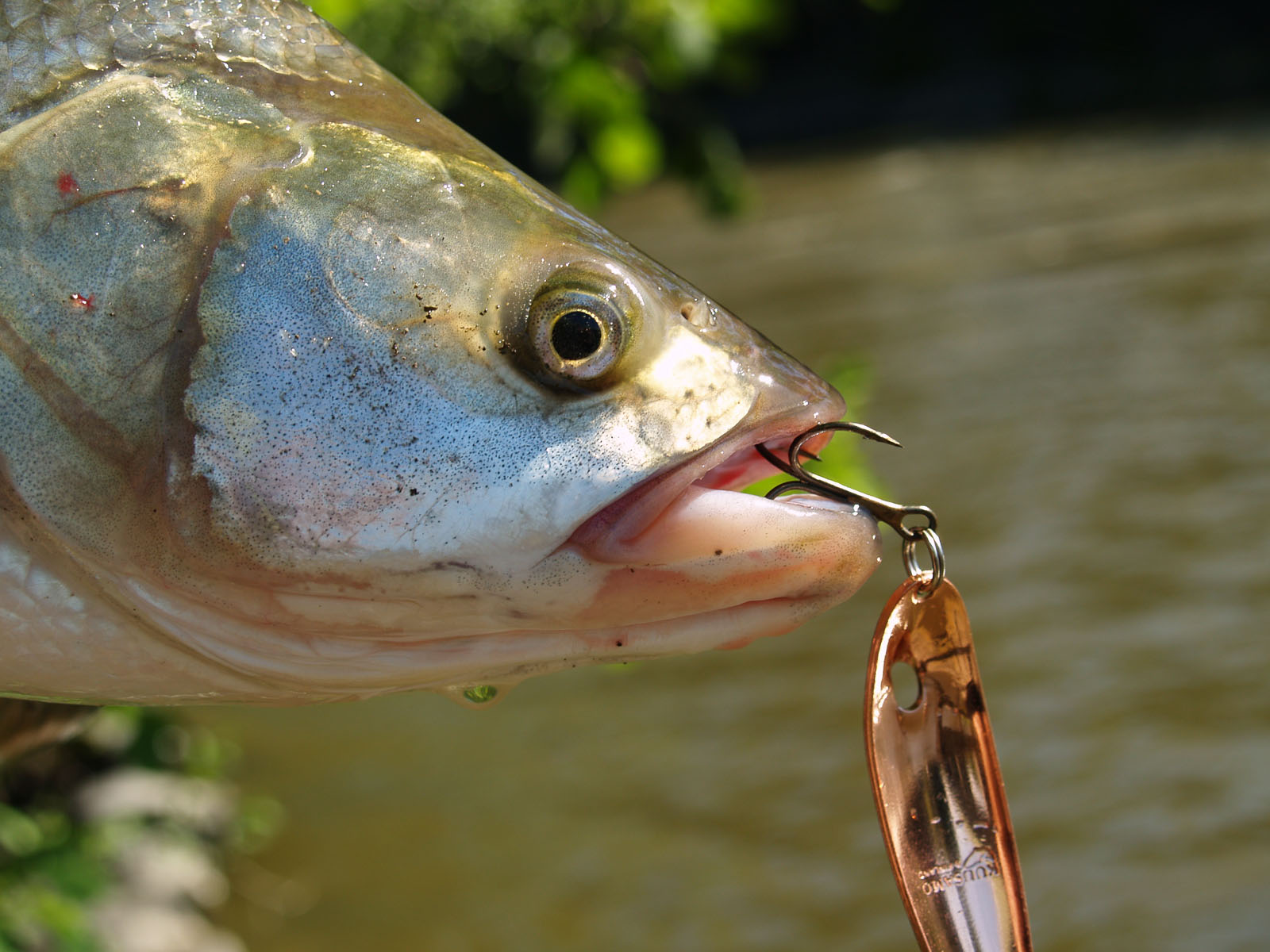
A river angler looks for holding spots like pools, slicks, current seams, plunge zones, behind boulders, deep banks, and tailouts. These lie locations can be very precise. Experience is the surest way to learn them, but a skilled eye can spot many even without sonar. Of course, hot spots shift with water level and temperature.
Lakes and seas also demand water-reading. When casting for pike along reed beds, an accurate caster outperforms a novice. Note, too, that the bow of a boat is a better casting spot than the stern—allowing first crack at approaching lies.
Targeting zander or perch, a sharp angler quickly detects where the school is located. No point hurling casts to the horizon if the bites keep coming close to the boat. Correct depth and retrieve speed are often decisive—if your lure runs meters above or below the fish, expect a blank
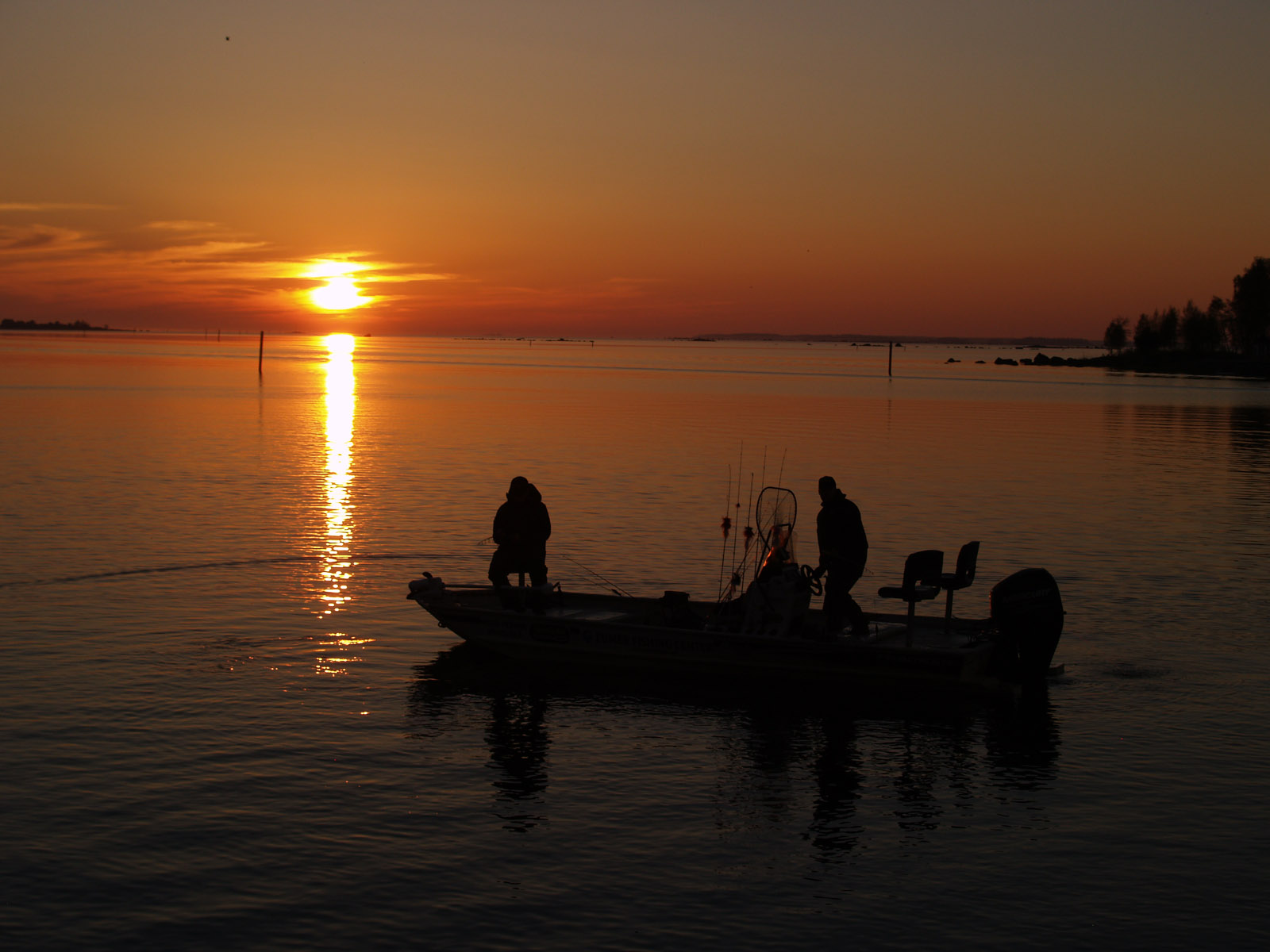
Surprisingly often, your buddy’s success comes down to line choice. Line thickness affects how far the lure casts, how naturally it swims, and how deep it runs. Thinner line means longer casts and livelier action.
If you’re casting from shore and the best spots are distant, thinner line is key. Braided line is superior here: its breaking strength relative to thickness is much greater than that of monofilament.
There are other differences, too. Braid is virtually non-stretch, giving far better feel for the lure, the bottom, and even the tiniest strikes. You can react instantly and set the hook firmly. For zander and pike casting, braid is in a class of its own.
Still, mono has its uses. Its stretch and abrasion resistance make it excellent for rainbow, trout, and salmon in rivers. The reduced sensitivity can actually help: fish get the lure deeper before you react, and the stretch means fewer lost fish during the fight. Clear mono is also nearly invisible to fish.
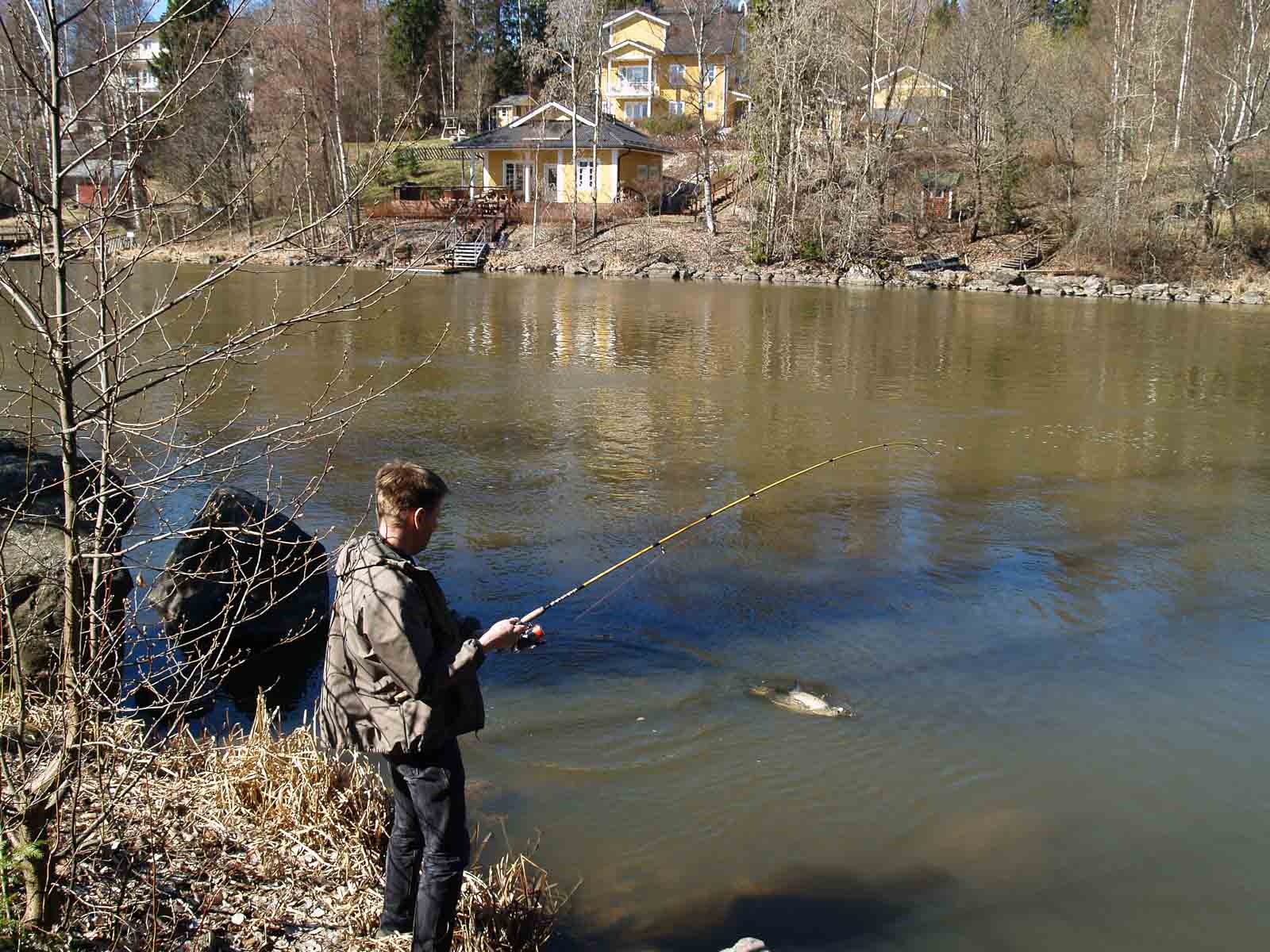
Your buddy’s edge might also come from better tackle. A skilled angler can make do with lesser gear, but the less experienced definitely benefit from quality tools.
If you’re still stubbornly using a closed-face reel, now’s the time to switch to a spinning reel. The advantages are so clear it’s pointless to resist.
The rod matters, too. Modern jigging, for example, won’t work with a floppy, insensitive rod. Delicate trout spinners can’t be worked properly on a heavy pike stick. And pike lures are nearly impossible to cast on a light rod.
Thankfully, spinning gear is affordable these days—so a small upgrade won’t break the bank.
Of course, your buddy’s lure might catch more simply because it’s a better lure! Lures differ vastly in appearance and effectiveness. But there’s no magic “works every time” lure, so choosing the right one is part of the skill.
The simplest solution is to buy the same lure your buddy used. But beware: conditions may change next trip, and the secret weapon may flop. Your buddy adapts to the situation and succeeds again—frustrating, isn’t it?
Lure effectiveness depends on many factors. Most anglers value action the most. If a plug rolls on its side, a spoon flutters to the surface, or a spinner blade hesitates, switch it out. Trusted domestic brands that have proven themselves for decades are reliable; bargain-bin knockoffs often aren’t.
Even more important than action or color may be running depth. In murky rivers, it’s crucial to scrape bottom—here, a heavy spoon can outfish plugs and spinners easily. The angler probing deep holes beats the surface caster hands down.
Size matters, too. A lure that’s too big may be ignored by wary or well-fed fish, while a tiny morsel may slip past a trophy pike unnoticed. A well-rounded tackle box solves this problem.
Differences also arise from retrieve technique—your personal “signature.” A spinner works fine on a steady retrieve. But plugs, spoons, and jigs gain appeal from pauses, bursts, and rod twitches.
And remember: the colder the water, the slower the retrieve should be.
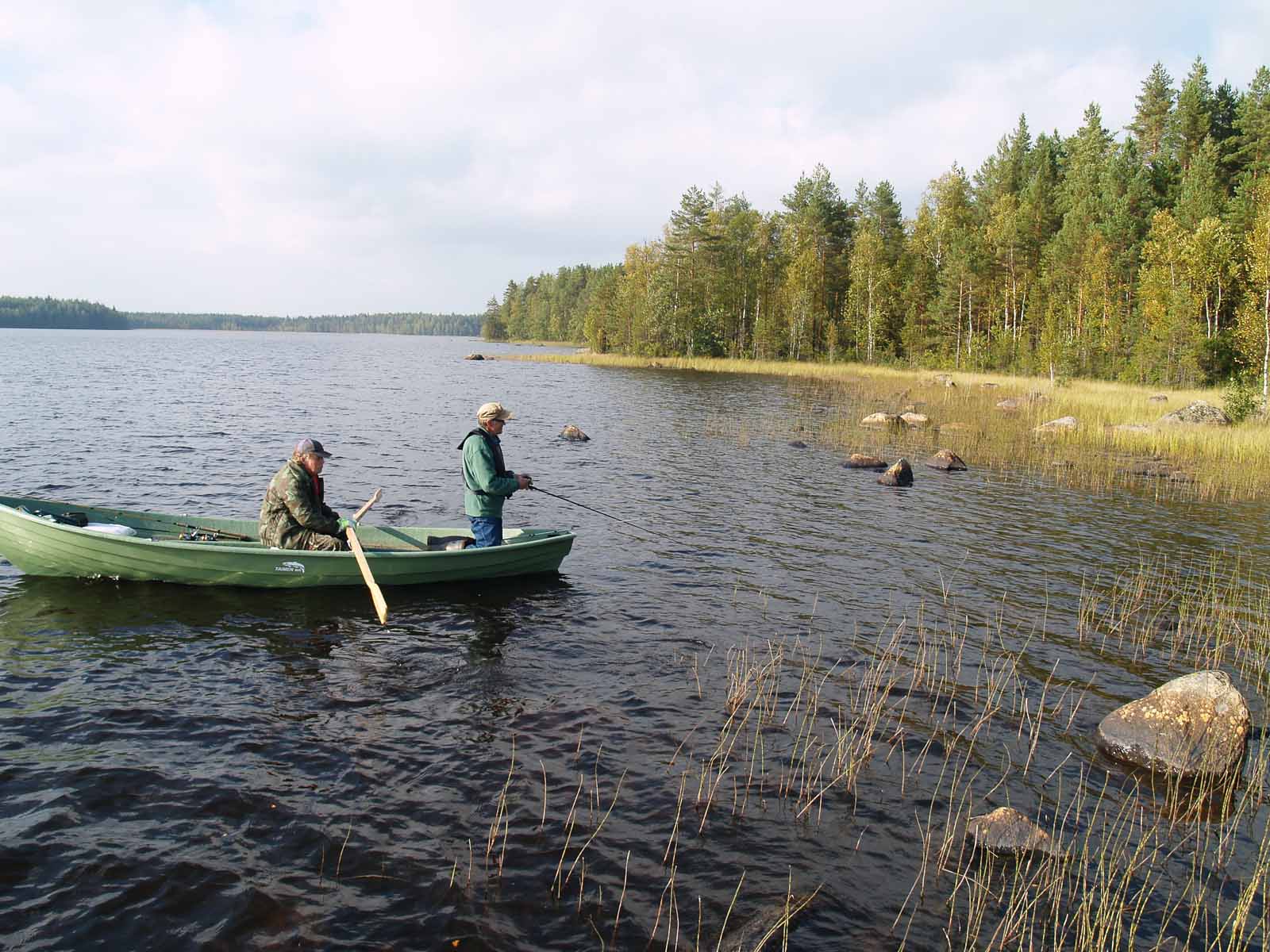
Other common blunders also explain why your buddy’s rod bends more often:
-
Use leaders only for pike. Pike are the only fish likely to bite through line. For trout, salmon, perch, or zander, a wire leader just kills lure action and spooks fish.
-
Don’t tie small plugs directly with a tight knot. Thick line especially can ruin their action. Oversized snaps or swivels can do the same. Use a loop knot or a small snap.
-
Keep your reel properly spooled. Replace old, brittle line before it costs you the fish of a lifetime. Learn at least one good knot, like the Uni knot. Instructions come with most line spools.
-
Don’t pound the same spot repeatedly. Active fish often strike on the first presentation. You’ll cover more water and catch more by “fan casting” to new spots each time.
-
Don’t reveal yourself in clear water. Careless movement will spook the fish before you even cast.
Text and photos: Jari Tuiskunen, Fishing Expert at Erä Magazine