





Fishing for Rainbow Trout
A savage strike. A meter-high leap. A furious run. Panic and joy in equal measure… Thanks to rainbow trout, you can now experience thrills like these even in the heart of major cities.
Originating from North America, rainbow trout first came to Finland in the late 1800s. Attempts to establish self-sustaining wild populations failed then—and despite repeated efforts, they have never succeeded since.
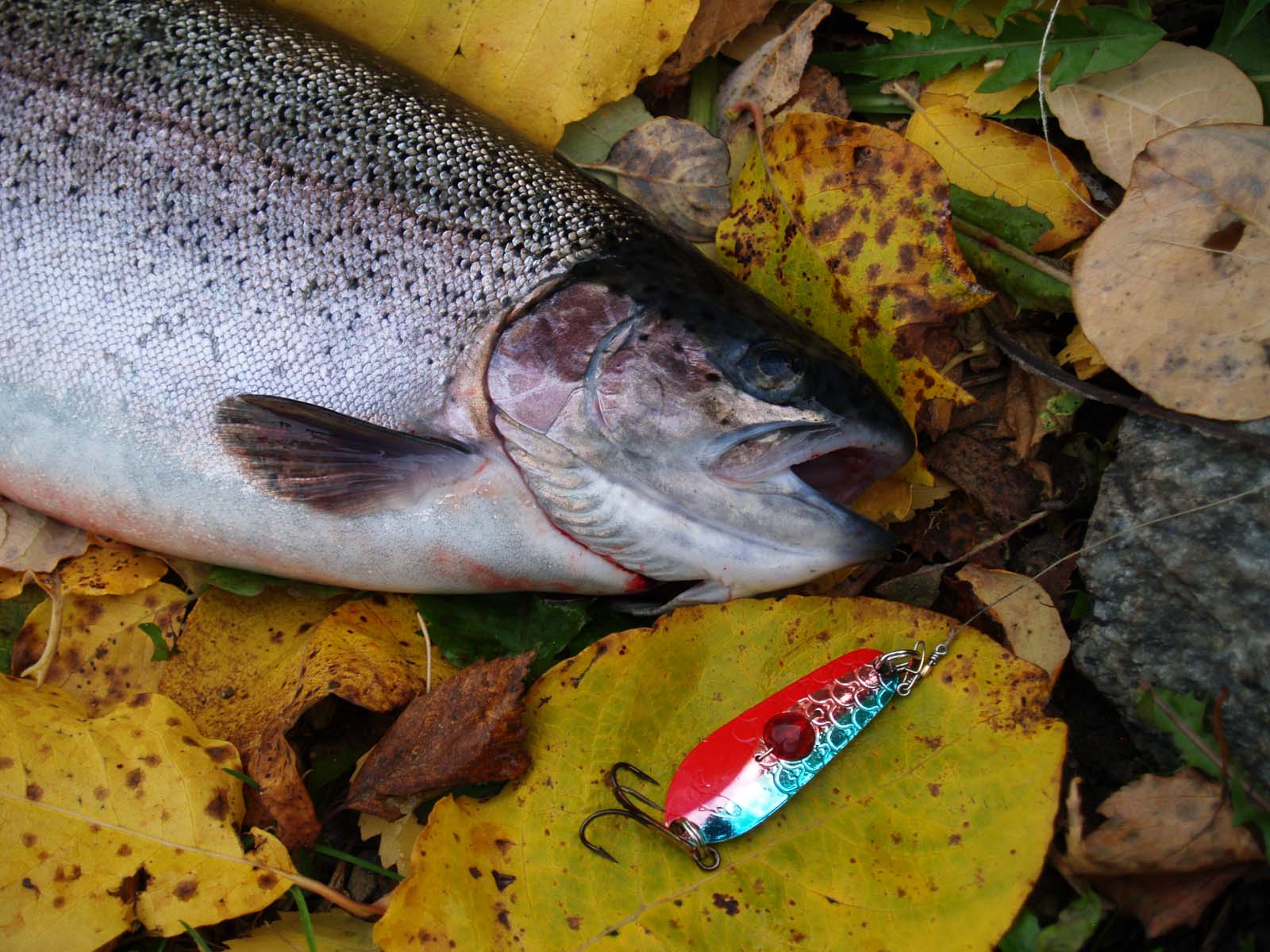
For one reason or another, rainbow trout cannot reproduce in our waters, but raising them in hatcheries is easy and profitable. As a result, this beautiful salmonid has become Finland’s most important farmed fish—and the most common salmonid to end up on an angler’s line.
Since every rainbow trout in Finland’s waters is hatchery-reared, fishing for them is limited to places where the stocking truck has dumped its cargo. The most typical “Scania spawning grounds” are stocked ponds and rapids, though some fish are released into larger lakes and rivers to meet stocking obligations. Storms and floods may also break open cages or ponds, allowing escapees to appear in surprising places.
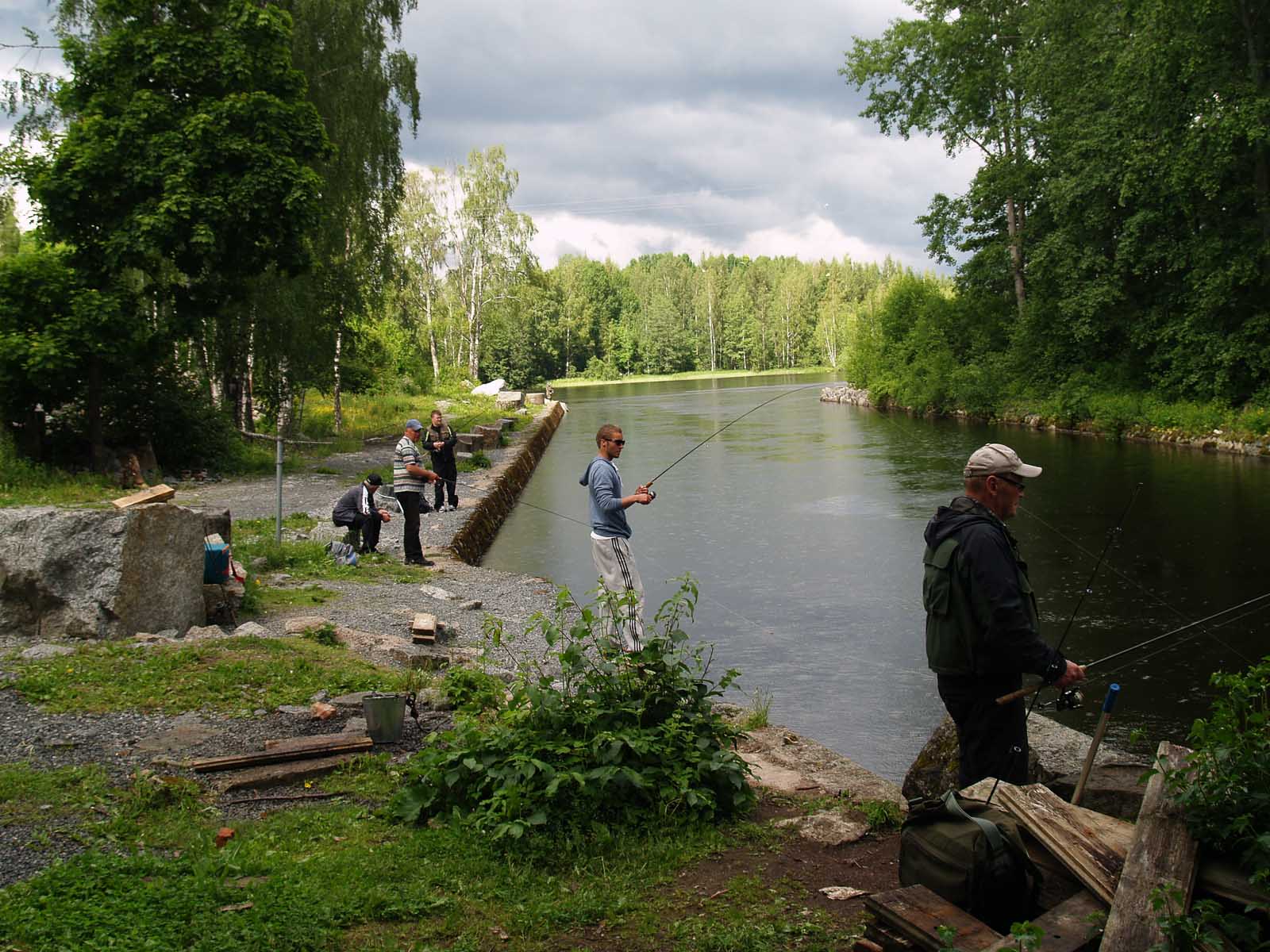
Most rainbow fishing, however, takes place in regularly stocked rapids and ponds—like the one behind Kuusamo Uistin’s factory. Fishing in these waters usually requires a site-specific permit, typically costing €10–20 per day. Permits can often be purchased online, or at least the websites list sales points.
Normally, a permit includes a catch quota, commonly 1–3 fish per permit. It’s always wise to check the local rules before heading out.
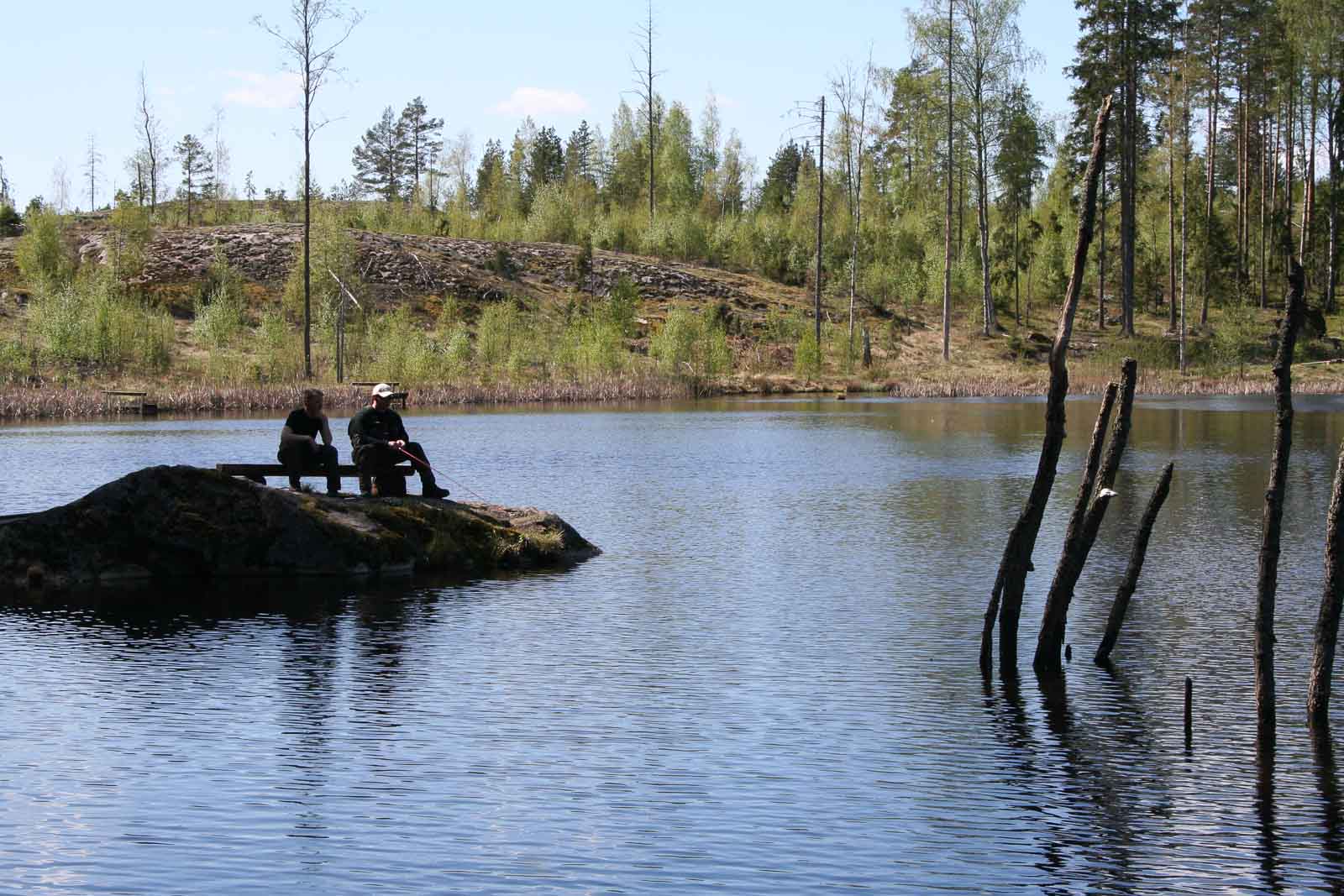
Rainbow trout feed actively all year, so their fishing season covers all 12 months. But as always, some days and hours are far more productive than others.
A spring-spawning species, rainbow is most active in cool water. When temperatures rise above 20°C, the fish become stressed and lose appetite. The hottest summer periods usually mean poor catches—except in places with cold spring water to keep trout active.
Spring and autumn present no temperature issues, so fish are active and ready to bite. Autumn fishing, however, is complicated by the spawning-season closures for salmon and trout (September 11–November 15). In many rainbow-stocked locations this restriction has been lifted, but any wild salmon or trout caught must be released.
Rainbows also take through the ice, especially at first and last ice. In midwinter, many rivers aren’t stocked at all, leaving ice-fishing lines slack.
And here comes the sweetest word to rainbow anglers: stocking. When trout are stocked into cool water, they often bite right away—sometimes before the stocking truck’s taillights vanish. By the next day, however, the dumbest fish are gone, and survivors may already be hook-shy.
Stocking into warm water, on the other hand, can be disappointing. Gladiators may refuse to eat for days, leaving anglers empty-handed. That’s when the idea of “bread-trout” that bite anything sounds more like a myth.
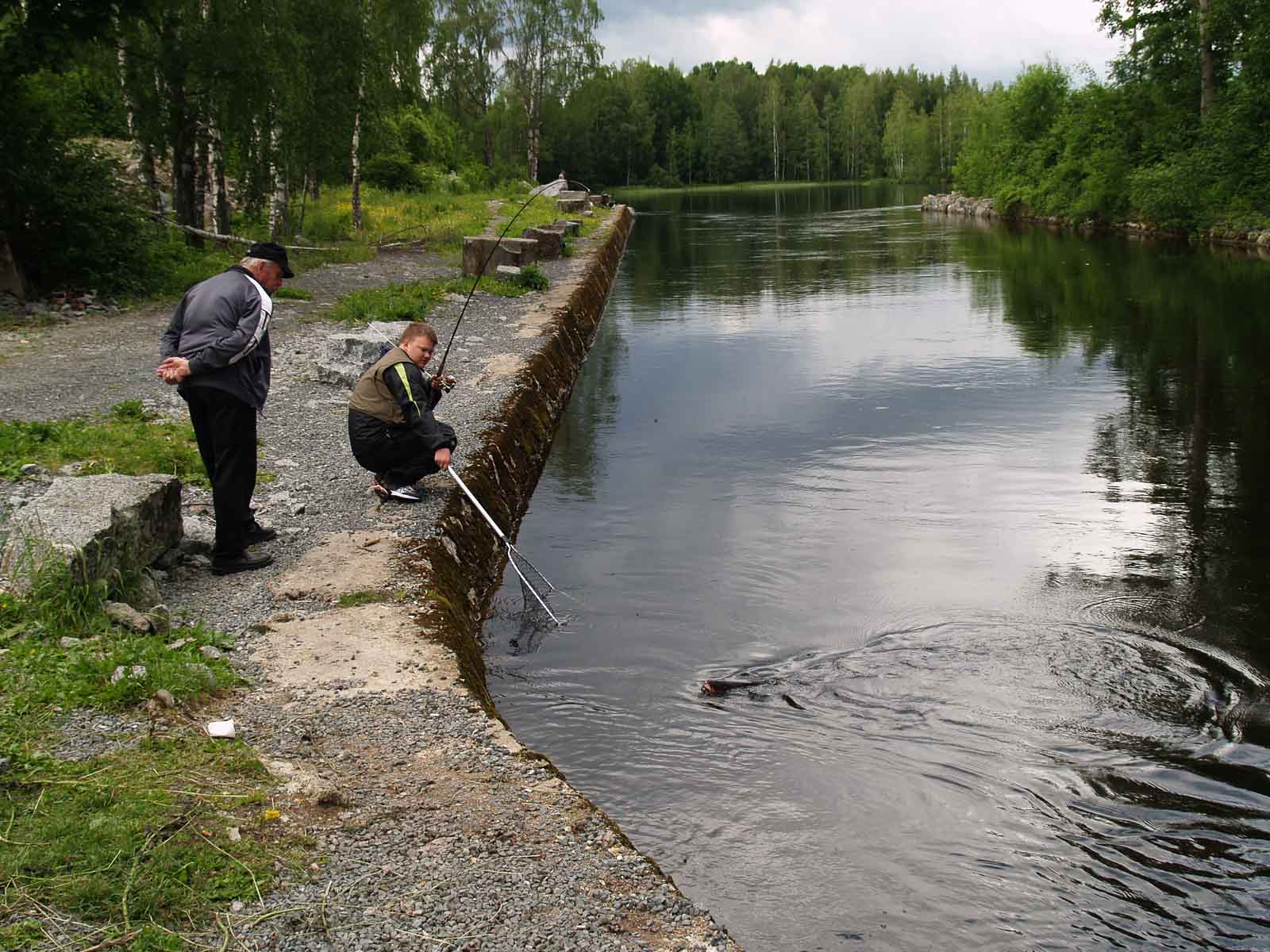
Rapids fishing is exciting—thanks in large part to rainbows. This American import has made even small streams potential salmonid waters. And unlike with wild species, you can keep rainbow trout without guilt.
If the same water also holds trout, especially wild fish, they must be released—often by regulation. Wild trout can be recognized by an intact adipose fin and a smooth, uncut dorsal fin.
Rainbows occupy similar lies to big trout: heads and tails of rapids, plunge pools, behind boulders, deep banks, and rocky shelves. Pools with calmer “mirror water” above them are classic hot spots. So are slow-flowing runs and backwaters, especially in shallow streams.
Season matters too. In cold water, rainbows prefer gentle currents. In summer heat, they favor oxygen-rich riffles and runs. Reading the river is a valuable skill that improves with experience.
In rapids, it’s often critical to get the lure to the fish’s depth—near bottom. The murkier the water, the closer the lure must pass to the fish’s nose. In clear water, trout may rise to take, even from the surface—as fly anglers know. But probing the depths usually pays off best. If necessary, add weight to the line.
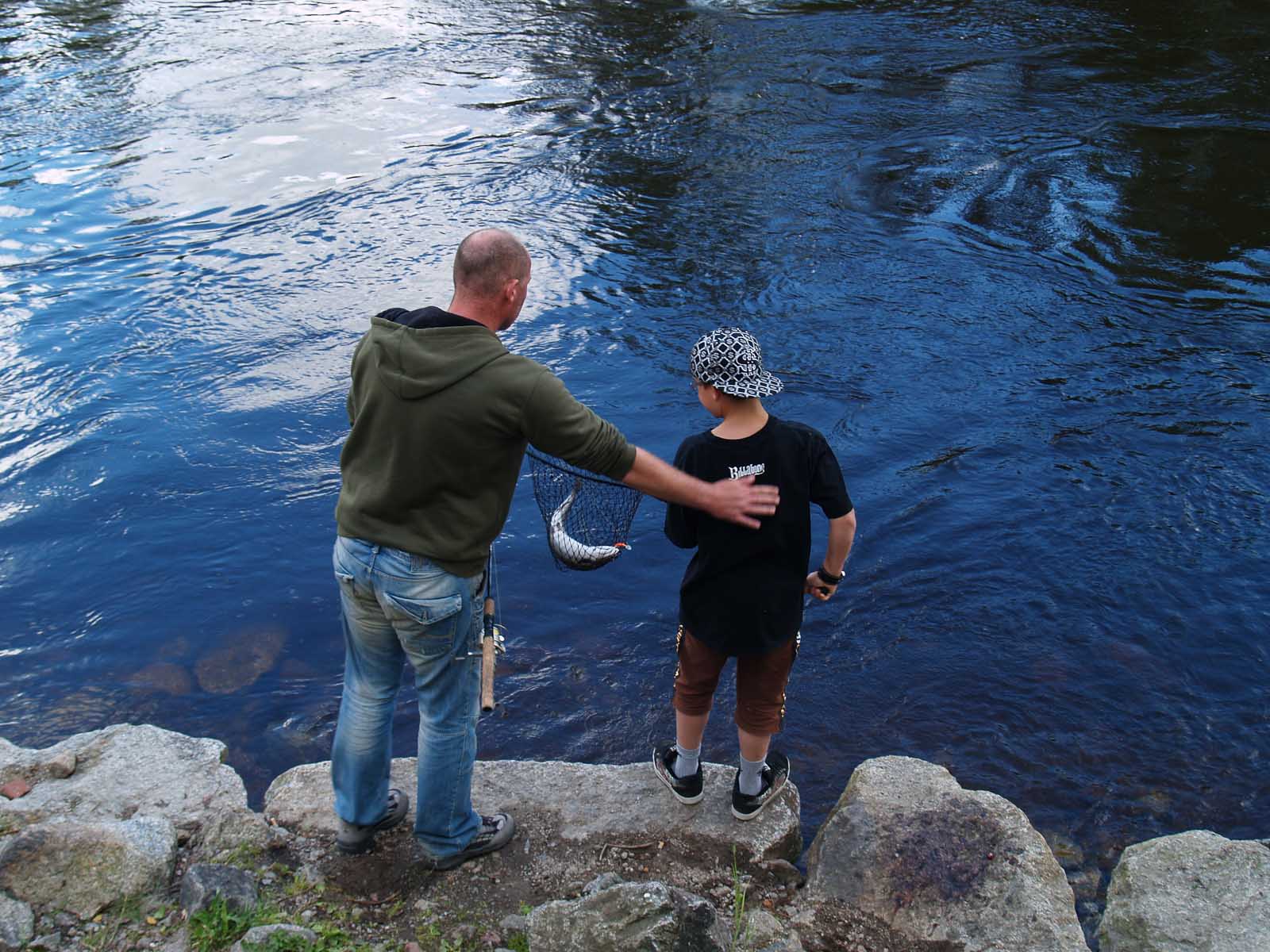
A typical stocked pond is a scenic forest pool of a few hectares, originally home to perch, pike, and roach. Ideally, the water is clear and spring-fed, staying cool and oxygen-rich through summer and keeping the trout active.
Ponds also have hot spots: points, bays, drop-offs, stream mouths, and sometimes open-water zones. Shore anglers can often spot the best casting areas by the worn paths.
In cold water, rainbows often hold near shore, where casts easily reach them. In larger lakes or warm weather, they retreat to open water, sometimes out of casting range. Renting a boat is then a good option.
On the ice, shallow areas (1–4 m) are usually best. In clear lakes, deeper water (5–10 m) can also produce. As spring approaches, fish return to the shallows.
Stocked rainbows typically weigh 1–1.5 kg, so light or ultralight tackle and fine lines are ideal: 0.12–0.15 mm braid or 0.20 mm mono. Lightweight gear also matches the small lures used, rarely over 15 g.
Perhaps Finland’s best-known rainbow killer is the 5 cm Räsänen spoon. Easy to cast, lively in both rivers and lakes, effective at any depth, and even usable under the ice—it’s a true all-rounder. Some anglers claim that a box of Räsänen 5 cm spoons in different colors is all you’ll ever need.
Close behind is the 7 cm, 14 g Lätkä, effective both casting and jigging through the ice. Also useful: Professor 3 Onega.
When spoons fail, try spinners. Kuf and Loimu spinners excel in warm, shallow water but work in cold too. To reach depth, the Volframi spinner is unbeatable.
Small, tight-wobbling plugs and fly-jigs (known as “leeches”) are deadly on picky trout after the “crazy days” of fresh stockings.
On the ice, effective options include spoons, mormyshkas, and small balance jigs like Super-Survari. Spoons excel when fish are active, mormyshkas when they’re shy. Balance jigs sit in between. Even the tiniest Kuusamo Kirppu jigs work, if you’re patient on the fight—baited with maggots or shrimp tail pieces.
Spoons and balance jigs don’t require bait, but many anglers add maggots for extra appeal.
From the endless lure color spectrum, one thing is clear: rainbows love bright attractors. The “Parrot” pattern (GR/FYe/FR-S) is probably the most famous—especially deadly right after stocking.
But once the initial frenzy fades, color preferences change. Fish learn that flashy metal plates cause sore jaws and become wary. That’s when duller, natural shades like copper-silver may outperform.
The key is to keep switching lures. When you find the right one, the strike may come on the very first cast—or jig lift. You never know what will work on any given day.
Text and photos: Jari Tuiskunen, Fishing Expert at Erä Magazine